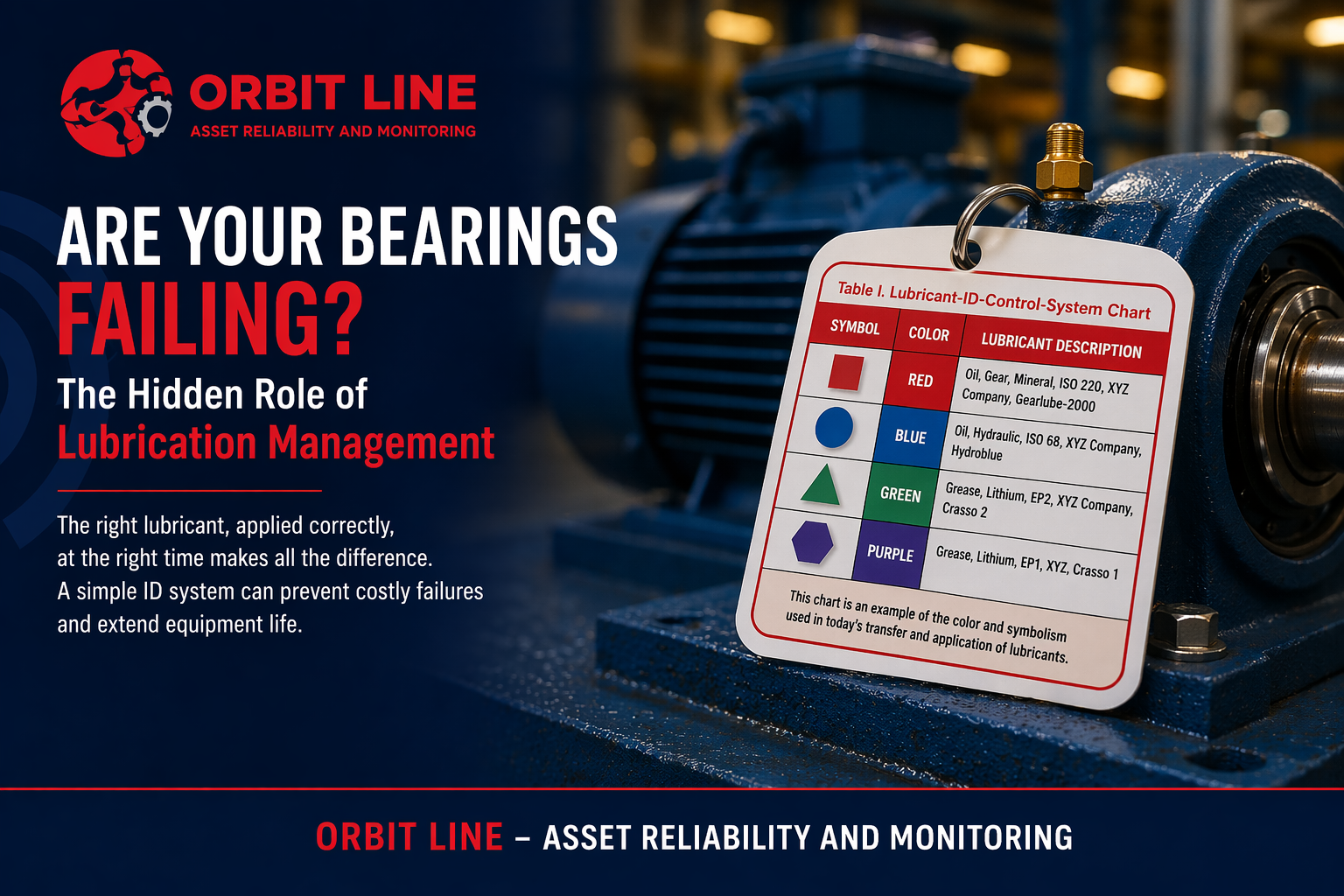
Bearing failures are one of the most common and costly issues in rotating equipment. While many assume the root cause is mechanical, the real problem often lies in incorrect lubrication.
Even when using OEM-recommended lubricants, improper application, wrong selection, or contamination can lead to overheating, wear, and premature failure.
The good news is that there is a simple and effective solution: Lubricant Identification systems.
What Is a Lubricant ID System?
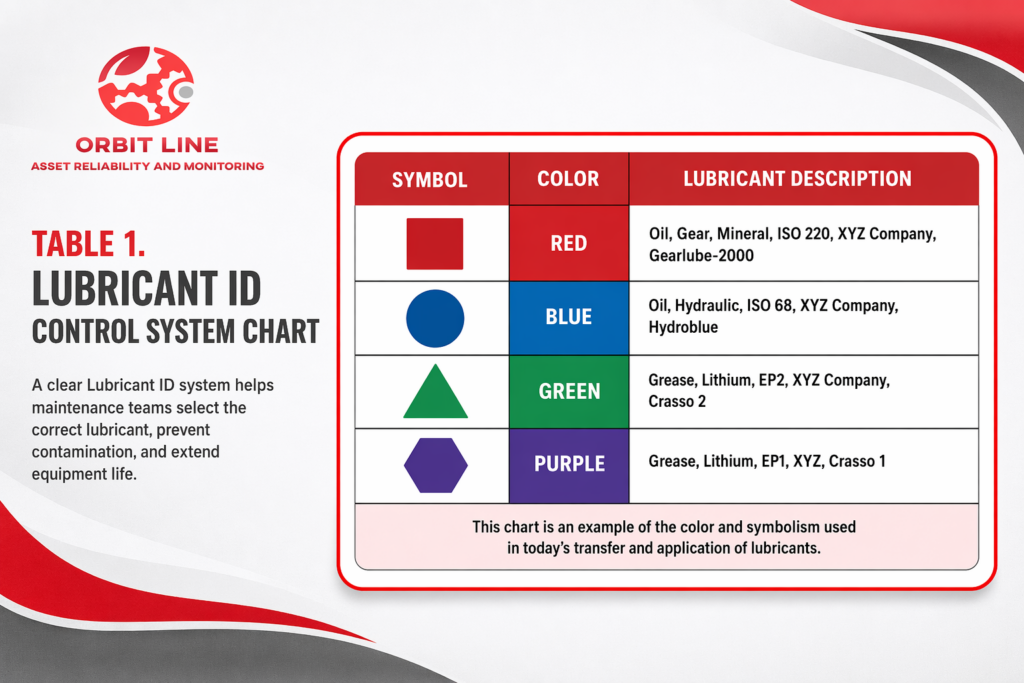
A Lubricant ID system is a structured method used to clearly identify which lubricant should be applied to each machine.
This is typically done using:
- Color coding
- Shape coding
- Labels or tags
- Visual identifiers on machines and containers
These systems ensure that the correct lubricant is applied consistently.
Key Benefits of Lubricant ID Systems
Implementing a proper Lubricant ID system provides several advantages:
- Ensures correct lubricant selection
- Reduces the risk of cross-contamination
- Improves maintenance efficiency
- Extends equipment life
- Reduces unplanned downtime
For facilities handling multiple lubricants, this system becomes essential for reliability.
Common Challenges and How to Avoid Them
Lubricant ID systems may face issues if not properly managed:
- Incorrect labeling
- Tags becoming dirty or unreadable
- Tags falling off equipment
- System not updated after lubricant changes
These challenges can be avoided by performing regular inspections, using durable tags, maintaining updated records, and ensuring proper staff training.
Beyond Identification: When to Lubricate
Knowing the correct lubricant is only part of the solution. It is equally important to know when lubrication is required.
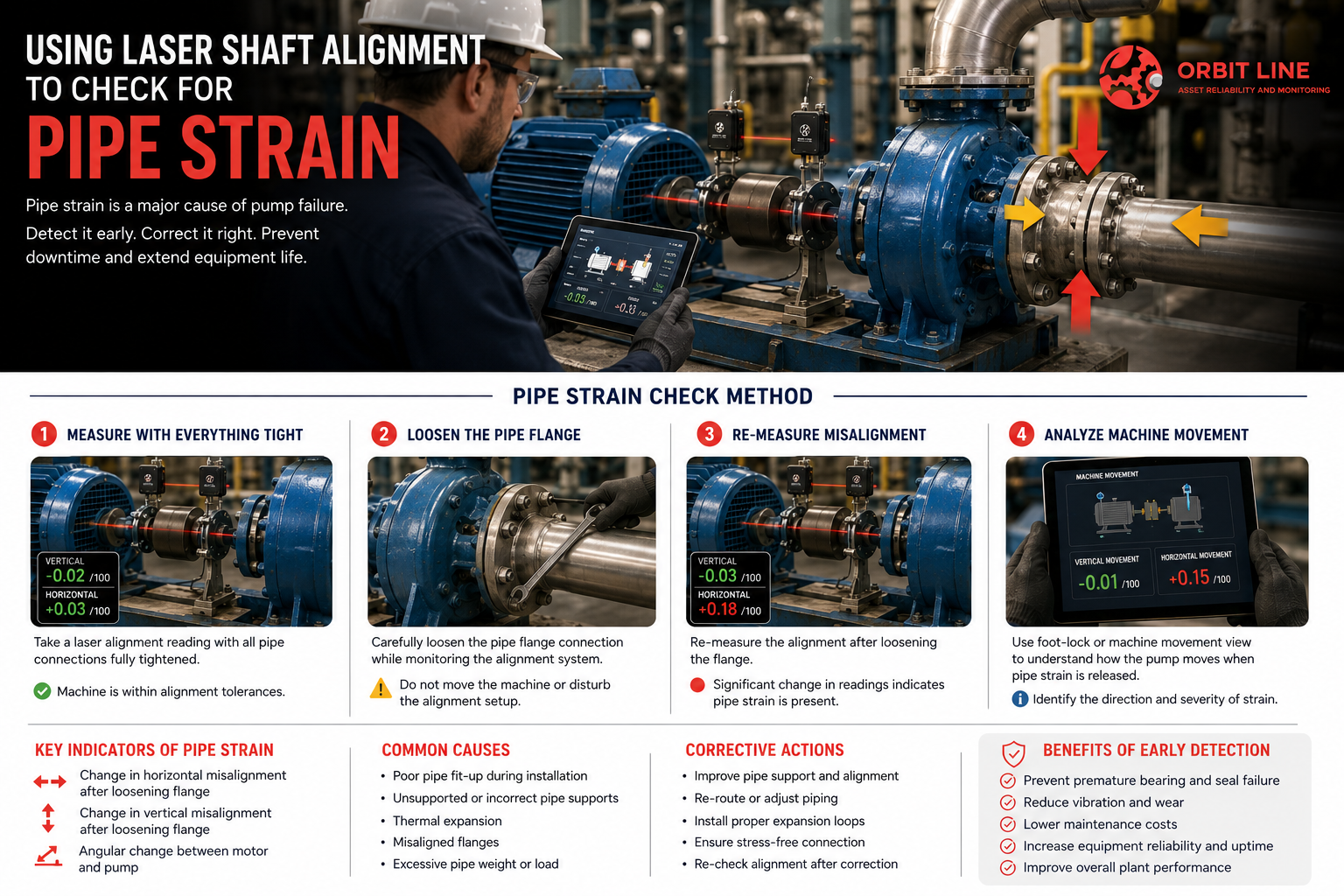
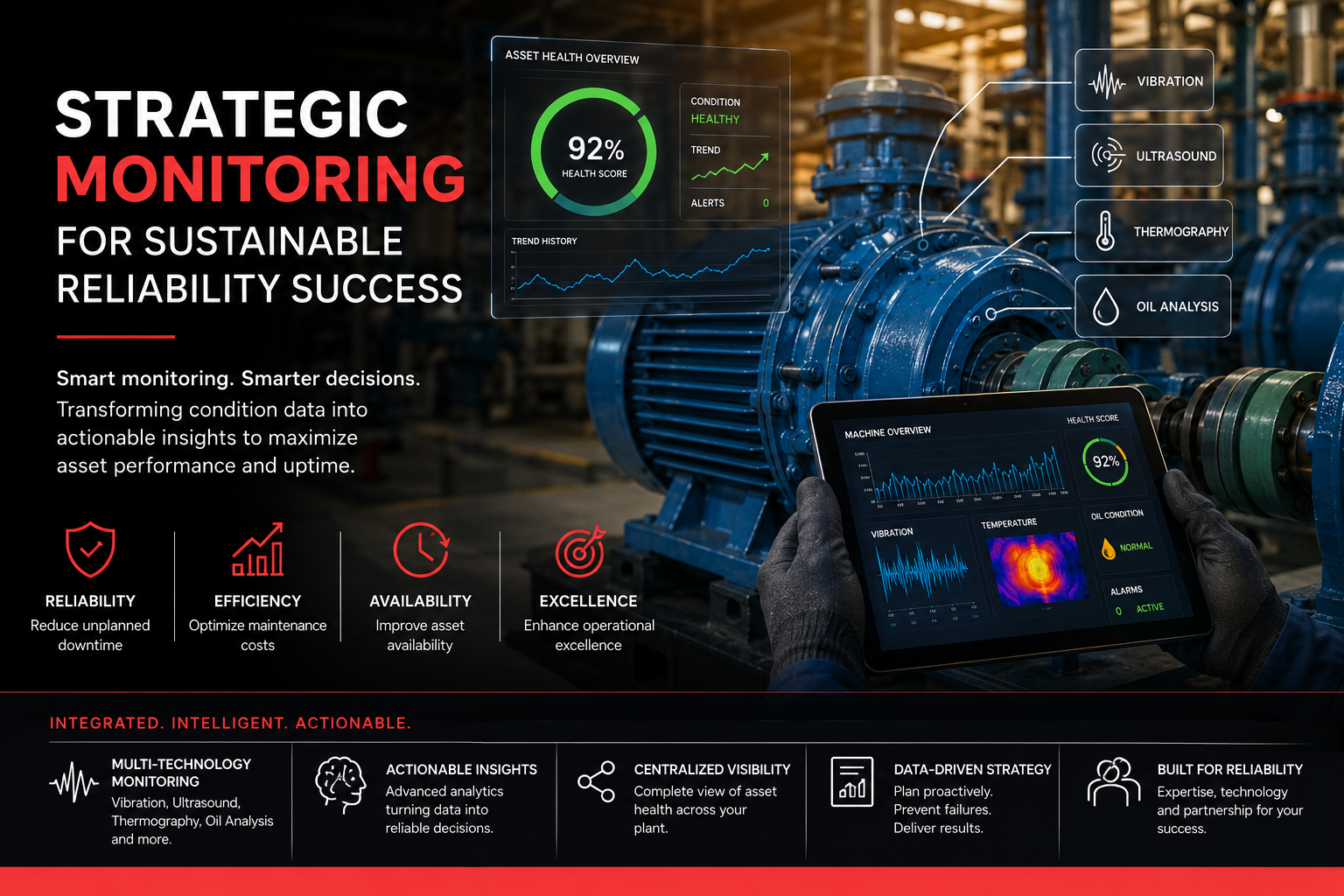
This can be achieved by integrating condition monitoring techniques such as:
- Vibration analysis
- Ultrasound inspection
- Infrared thermography
- Acoustic monitoring tools
These methods allow maintenance teams to apply lubrication based on actual condition rather than fixed schedules.
The Importance of Correct Lubrication Quantity
The quantity of lubricant is a critical factor:
- Excess lubrication can cause overheating and seal damage
- Insufficient lubrication can lead to wear and corrosion
It is recommended to clearly specify lubrication quantity and frequency on each identification tag.
Best Practices for an Effective Lubrication Program
To ensure success:
- Apply clear and standardized coding systems
- Label both equipment and lubricant containers
- Maintain an accessible reference chart
- Train maintenance personnel
- Integrate lubrication with condition monitoring programs
- Review and update the system regularly
Why Choose ORBITLINE
ORBITLINE provides complete condition monitoring and reliability solutions across Saudi Arabia.
Our services include:
- Vibration analysis
- Ultrasound inspection and leak detection
- Infrared thermography
- Oil analysis and lubrication programs
- Reliability consulting and training
We support industries in improving asset performance, reducing failures, and extending equipment life.
Conclusion
Lubrication is a critical factor in machine reliability. When managed correctly, it significantly reduces failures and operational costs.
By implementing a Lubricant ID system and combining it with condition monitoring techniques, organizations can achieve higher reliability and long-term performance