
Case Study: How Ultrasound Detected Eddy Current Leakage in an Extruder Driven by a Variable Speed Motor
Keywords included: ultrasound inspection, eddy current leakage, VFD motor problems, bearing overheating, condition monitoring case study, vibration analysis Saudi Arabia, predictive maintenance, rotating equipment troubleshooting, Orbitline Company
Background – Bearing Overheating on an Extruder Drive System
A customer contacted Orbitline Company after observing abnormally high bearing temperatures on an extruder driven by a variable speed motor (VFD drive system).
The maintenance team suspected a motor or bearing failure and requested a detailed vibration analysis to confirm the root cause.
This case demonstrates how combining vibration analysis and ultrasound inspection can detect faults that traditional methods alone may miss.
Initial Assessment – Vibration Analysis Results
To begin the diagnosis, we performed a complete vibration analysis on the motor, bearings, and extruder gearbox. Key findings:
- All vibration values were low even in high frequency Spectrum like demodulation , indicating excellent mechanical health
- No signs of:
- Misalignment
- Unbalance
- Mechanical looseness
- Gear defects
- Bearing damage
- No abnormal frequency peaks in the spectrum
Based on vibration data alone, the machine appeared healthy.
However, the customer continued to report consistently high bearing temperatures, which suggested a hidden fault not detectable through vibration alone.
Secondary Inspection – Ultrasound Testing Identifies Abnormal Signals
To further investigate, we used ultrasound inspection, a powerful tool for detecting early-stage bearing defects, lubrication issues, and electrical discharge activity.
Immediately after placing the ultrasound probe on the motor bearings, we detected:
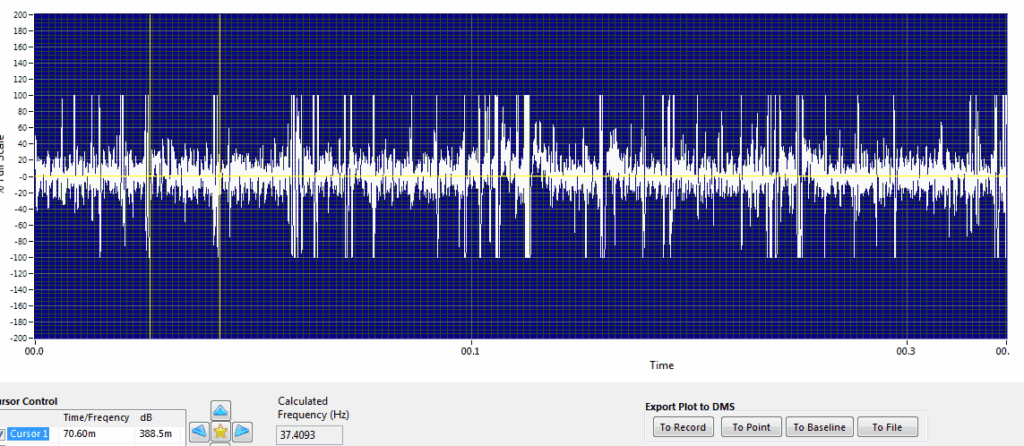
- Abnormal high-frequency sound patterns
- Non-mechanical ultrasonic signatures
- Inconsistent noise levels not typical of healthy bearings
This confirmed that something was happening inside the bearing that vibration analysis could not detect.
Vibration + Ultrasound = Best Practice for Predictive Maintenance
Using both technologies during routine data collection dramatically increases fault detection accuracy.
Root Cause Identified – Eddy Current Leakage from VFD
The ultrasound results pointed toward electrical discharge activity (EDA) inside the bearing. After additional inspection, we identified the root cause:
Eddy Current Leakage from the Variable Frequency Drive (VFD)
- The VFD was generating stray eddy currents
- These electrical currents were discharging through the motor bearings
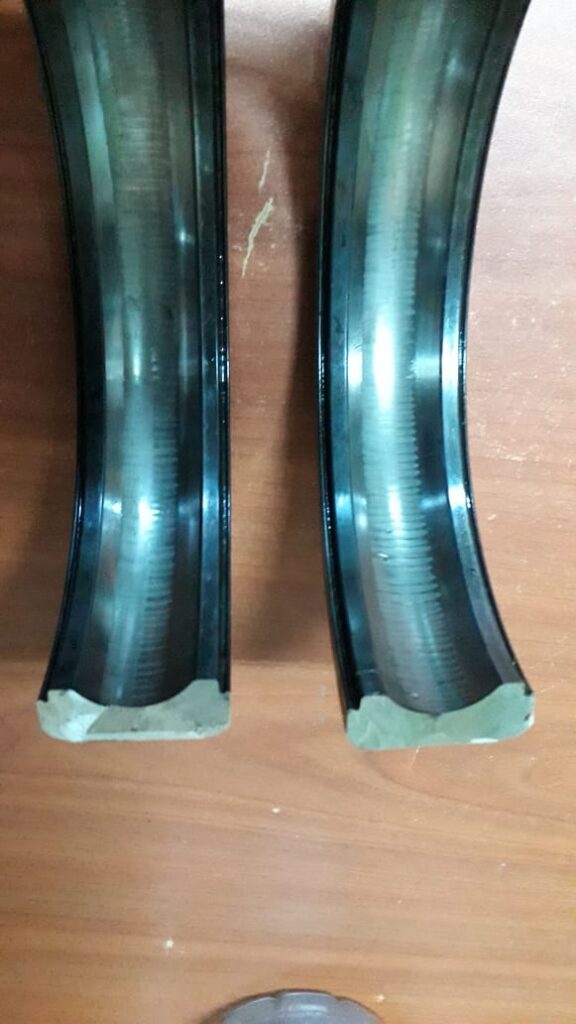
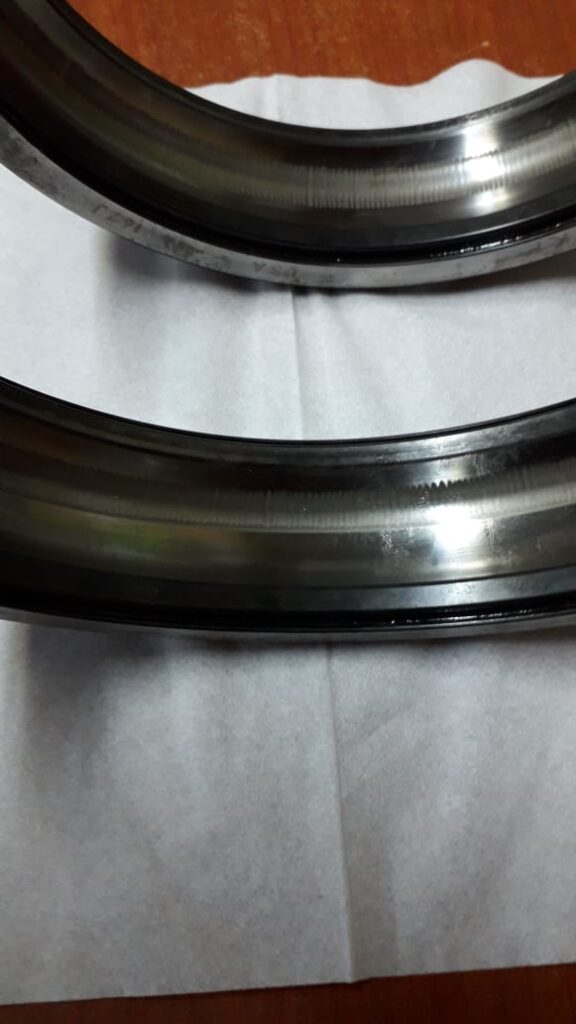
- This caused localized overheating, despite normal vibration levels
- Left untreated, this condition leads to:
- Premature bearing failure
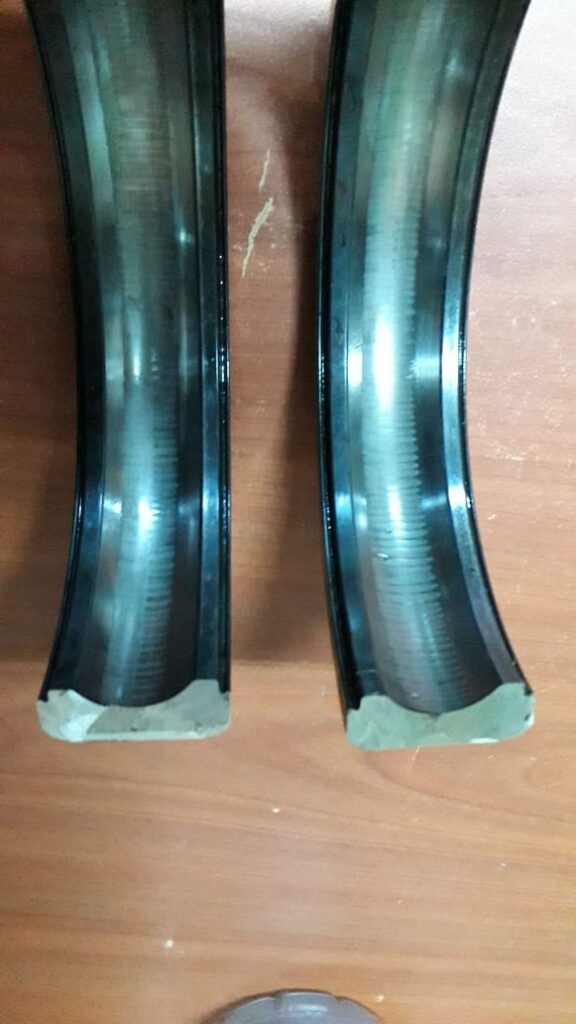
- Fluting marks on the bearing raceway
- Increased energy consumption
- Unexpected machine downtime
This is a classic example where vibration analysis alone is not enough.
Electrical discharge often does not produce elevated vibration in early stages — making ultrasound the only early detection method.
Why This Case Is Important for Reliability and Maintenance
This case highlights several important points for maintenance teams:
1. VFD Motors Are Prone to Electrical Discharge Problems
Variable frequency drives increase the risk of:
- Shaft currents
- Eddy current leakage
- Electrical bearing damage
2. Ultrasound Detects Faults Earlier Than Vibration
Ultrasound can reveal:
- Electrical discharge
- Bearing lubrication issues
- Early-stage bearing wear
- Hidden defects
3. Combining Technologies Provides the Best Diagnostic Accuracy
A reliable predictive maintenance program should include:
- Vibration analysis
- Ultrasound inspection
- Infrared thermography
- Motor current analysis (MCA)
Conclusion – Early Detection Prevented Bearing Failure
Thanks to ultrasound testing, Orbitline Company identified eddy current leakage that would have led to costly bearing failure and unplanned downtime.
Even when vibration data appeared normal, ultrasound revealed the underlying electrical discharge inside the bearing.
This case proves that using multiple condition monitoring technologies provides the highest reliability and ensures accurate detection of hidden equipment faults