Case Study: Impact of Compressor Skid Replacement on System Frequencies and Resonance
Vibration analysis screw compressor, system resonance, natural frequency, lobe force frequency, compressor skid modification, predictive maintenance, rotating equipment reliability, Orbitline Company
Background – High Vibration on a Screw Compressor
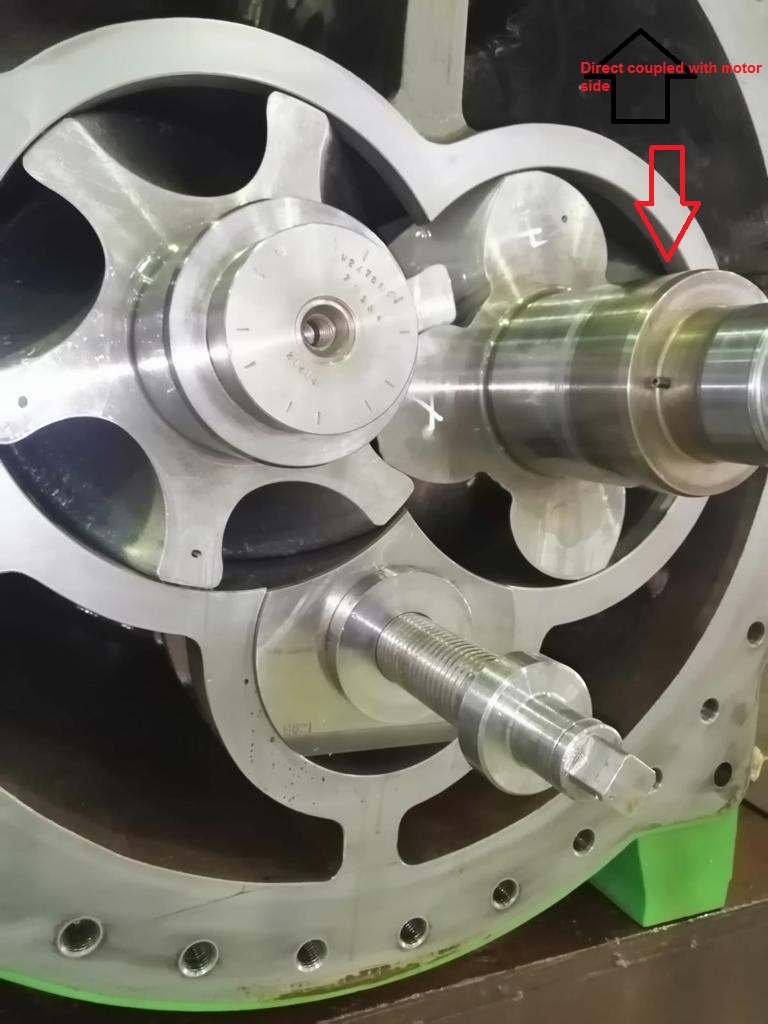
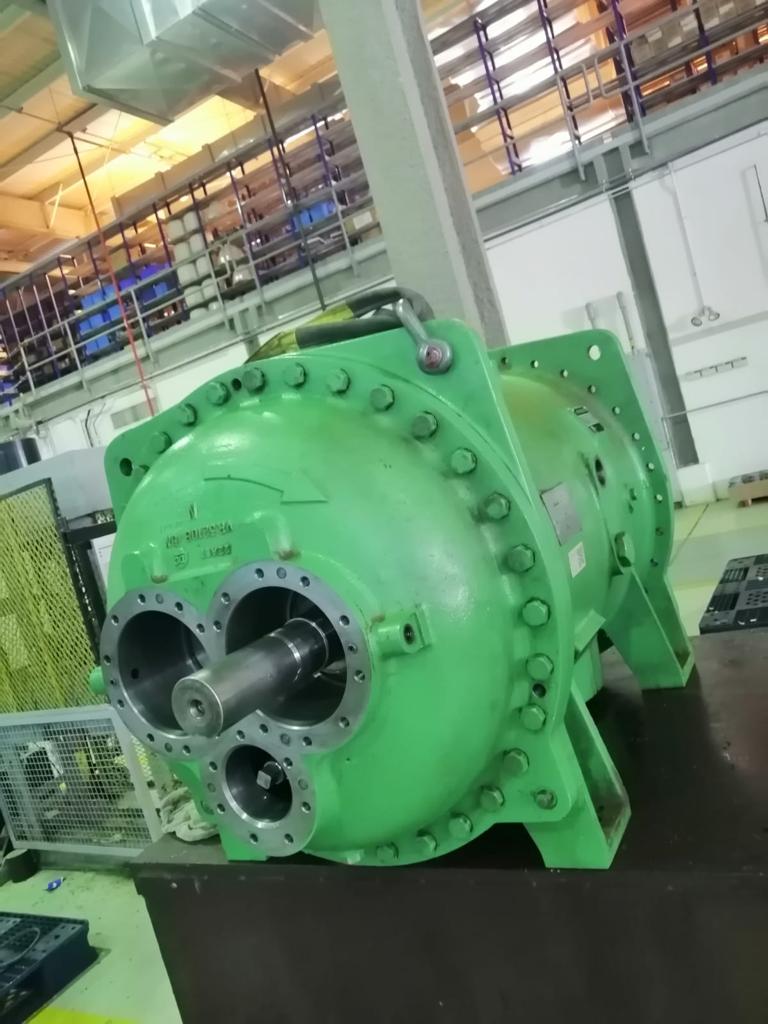
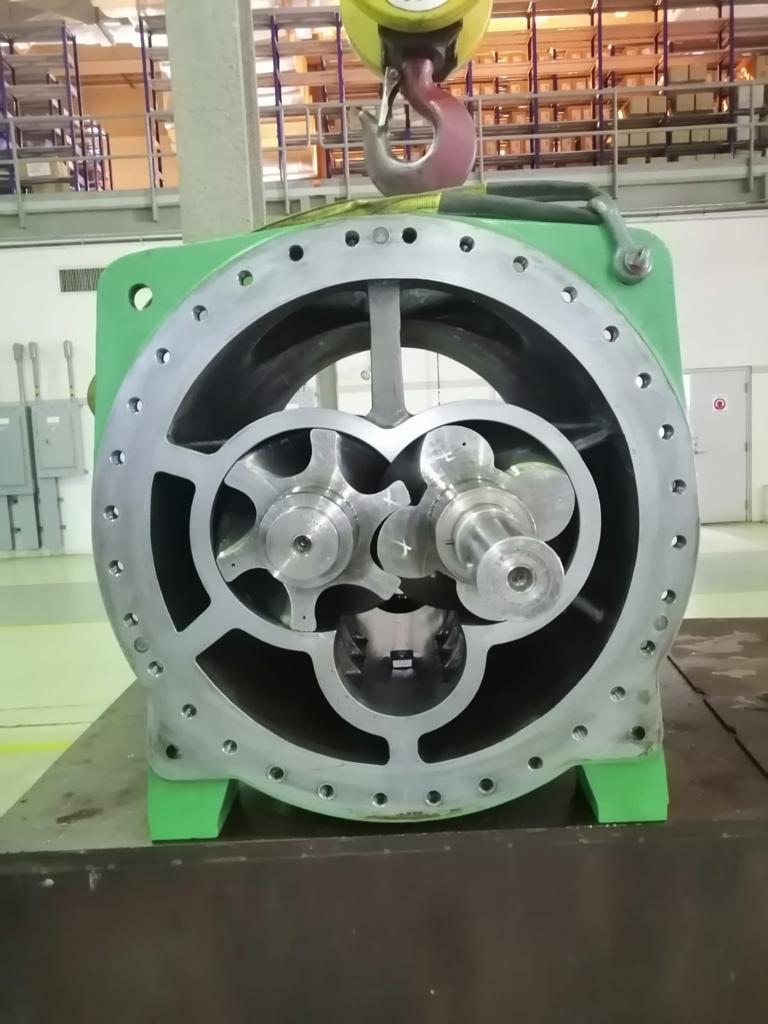
A client reported unusually high vibration levels on a screw compressor after recent maintenance. To identify the root cause, Orbitline Company conducted a detailed vibration analysis on the unit.
It was noted that the compressor skid had recently been replaced during an overhaul, potentially altering the structural dynamics of the system.
Impact Test and Vibration Analysis
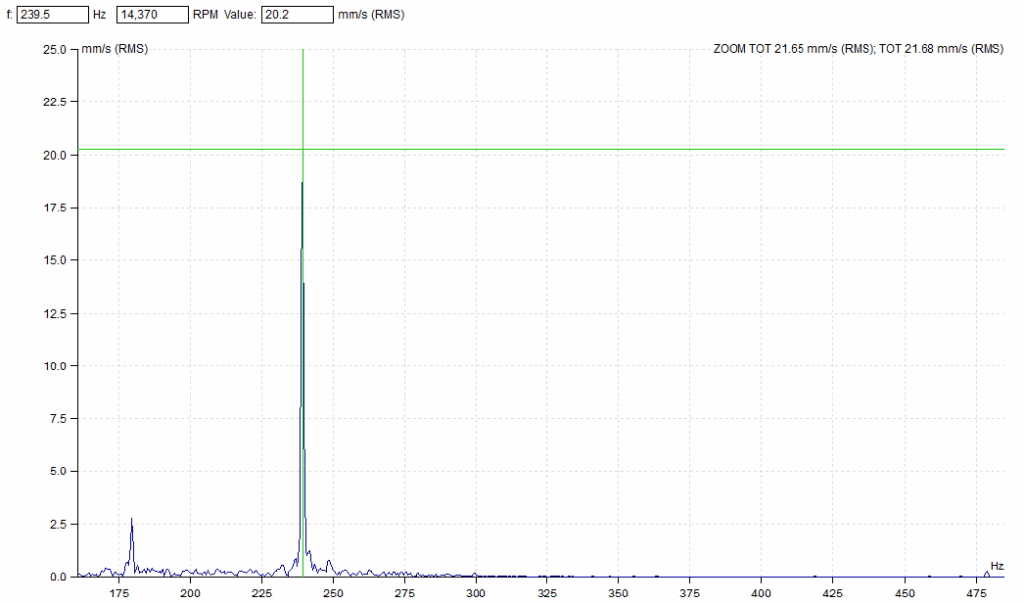
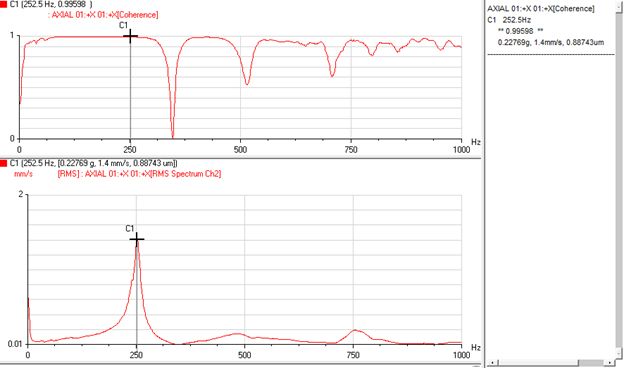
An impact test was performed to determine the dynamic characteristics of the compressor system. The key findings were:
| Parameter | Value |
|---|---|
| Natural frequency of the screw compressor | 252 Hz |
| Lobe force frequency | 240 Hz |
| Absolute frequency difference | 12 Hz |
| Separation margin | 5% |
Root Cause – Skid Replacement Shifting System Stiffness
During investigation, we discovered that the new compressor skid replaced in the previous overhaul altered the stiffness of the machine structure.
- Manufacturers typically design compressors considering system stiffness and damping to avoid resonance problems.
- The replacement skid unintentionally shifted the machine’s natural frequency, bringing it dangerously close to the lobe force frequency.
- This structural modification resulted in a reduced separation margin of only 5%, increasing the risk of vibration-related damage.
Key Insight
This case highlights that even simple structural changes, such as a skid replacement, can significantly affect system frequencies and lead to resonance issues.
- The manufacturer generally accounts for system stiffness and damping during design to prevent such problems.
- Any modifications to the supporting structure must be carefully evaluated to ensure that forcing frequencies do not coincide with the natural frequency of the machine.
Conclusion – Importance of Dynamic Assessment After Structural Changes
High vibration in rotating equipment is not always due to mechanical faults. Structural modifications, like skid replacement, can unintentionally shift system frequencies and create resonance conditions.
Recommendations:
- Conduct impact testing or modal analysis after any structural change.
- Verify the natural frequency versus forcing frequency separation margin.
- Adjust support structures, damping elements, or operational parameters if necessary.
By applying these steps, industries can maintain rotating equipment reliability, prevent excessive vibration, and avoid costly downtime.